How Illegal Drugs Enter and Circulate Within Canada
Illicit drug use remains a growing public health concern in Canada, impacting individuals, families, and communities nationwide. Understanding how illegal drugs enter and circulate within Canada helps explain why overdose deaths, addiction, and organized crime continue to rise—and why prevention and treatment are critical.
This article provides an educational overview of how illicit drugs are obtained in Canada, without promoting or enabling illegal activity.
How Do Illicit Drugs Enter Canada?
Most illicit drugs used in Canada are produced outside the country and transported through international trafficking routes. Substances such as cocaine and heroin typically originate abroad and are moved through complex global supply chains.
CANADA’S:
Extensive Coastline
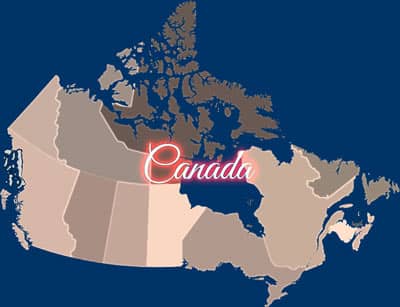
Canada possesses the world’s longest coastline, measuring approximately 243,042 kilometers including mainland and surrounding islands. (about 151,019 miles)
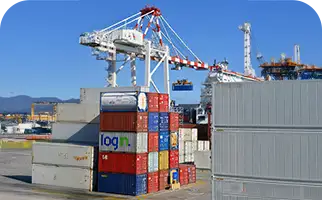
Major Shipping Ports
Like the Port of Vancouver the Port of Montreal, Port of Prince Rupert, Port of Halifax, and Port of Saint John.
High Volume of International Trade
Canada’s international trade volume has a monthly merchandise export of around $62–66 billion and imports of around $66 billion.
Which make it vulnerable to exploitation by organized crime networks that conceal illegal substances within legitimate goods and transportation systems.
Organized Crime and Drug Distribution in Canada
Once inside Canada, illicit drugs are commonly distributed by organized crime groups. These networks operate at multiple levels,
INCLUDING:
Large-Scale Importation and Wholesale Supply
Regional Trafficking Networks
Street-level Distribution
Drug trafficking in Canada is often linked to violence, weapons offences, and money laundering, contributing to broader community harm beyond substance use itself.
Very, very helpful in a time of desperation.
“Very, very helpful in a time of desperation. I highly recommend using their service. They have the knowledge and experience. When one place did not work out they very quickly recommended another which worked out perfectly.”
Words could never explain my thanks
"I dropped off my fiancée yesterday at a detox place to get her the help she needs. I sent many emails and phoned many places to set this up but you were the only one to respond. Words could never explain my thanks for your help. None of this would be possible without you."
We needed a clear voice to lead us. Marc was that voice.
"As a family, we were so stuck in not knowing what to do, and even what was reality. We needed a clear voice to lead us. Marc was that voice. He always returned my calls and emails, with some questions being asked more than once! He was so very patient with me and would faithfully reach out to me if things grew too overwhelming."
Domestic Production of Synthetic Drugs
In recent years, Canada has experienced a significant increase in the domestic production of synthetic drugs, including the drug methamphetamine.
Unlike plant-based substances, synthetic drugs can be produced using chemical ingredients, often in unregulated and unsafe environments.
THIS HAS LED TO:
Highly unpredictable potency
Increased contamination
A sharp rise in overdose deaths
The toxic drug supply has become a central factor in Canada’s ongoing overdose crisis.
How People Access Illicit Drugs at the Community Level
At the individual level, illicit drugs are often obtained through social circles, acquaintances, or local dealers, rather than directly from large criminal organizations.
People facing higher vulnerability—such as those experiencing homelessness, untreated mental illness, trauma, or poverty—are disproportionately affected. Many users are unaware of what substances they contain, increasing the risk of accidental overdose.
The Role of Technology in Drug Distribution
Technology has changed how illicit drugs are marketed and distributed in Canada. Encrypted communication platforms and online marketplaces have allowed criminal networks to operate with greater reach and discretion.
This shift has increased accessibility while also increasing danger—particularly for youth and first-time users who may underestimate the risks of today’s unregulated drug supply.
Why Understanding Illicit Drug Access Matters
Illicit drug circulation is not just a law-enforcement issue—it is a health, social, and economic challenge. Addressing it requires more than arrests and seizures.
EFFECTIVE RESPONSE MUST INCLUDE:
Public education and prevention
Mental health and addiction treatment
Harm-reduction services
Community and family support
Understanding how illicit drugs are obtained helps Canadians see why addiction is not a moral failure, but a complex health issue.
Help Is Available Across Canada
If you or someone you care about is struggling with substance use, confidential help is available throughout Canada. Early intervention and professional treatment can save lives and restore families.
👉 Contact our team today to learn about addiction treatment options, assessments, and support services available in your province.
If you or someone you love is struggling with addiction, free and confidential support is available every day. We can help you determine and take the next step.