Home / Ontario Detox & Drug Rehab Referral / Help for Drug and Alcohol Treatment in Toronto GTA
Know someone who is struggling with alcohol or drug use in Toronto, finding the right help can be very demanding. Toronto has a broad network for addiction, withdrawal management, counselling, harm-reduction and recovery services.
DrugAddiction.ca provides addiction referral and consultation services rather than operating a treatment centre. Our role is to help individuals and families understand available treatment options and identify services that may be appropriate for their circumstances. With over 20 years of experience in the field of substance abuse, we can be of assistance.
Detox, sometimes called withdrawal management, is the process of helping a person safely manage withdrawal while reducing and stopping alcohol or drug use. The level of care required varies considerably.
Individuals can be suited for community or residential withdrawal-management services, while others may require medically supervised detox; withdrawal may need health supervision. Alcohol and certain medications, like benzodiazepines, can produce withdrawal complications. Opioid withdrawal, not life-threatening by itself, but it can create significant discomfort.
Toronto has both public and private pathways for withdrawal support.
Example resources include:
They provide information and referrals to drug or alcohol rehab in Toronto.
Please contact them for more information on their services or visit their website.
Non-medical Withdrawal Management
Central Access
Phone: 416 864 5040 or 1 866 366 9513
This service connects individuals to withdrawal management services in the Greater Toronto Area. Please call them for more information.
They provide 24-hour information about drug, alcohol, gambling and mental health services in Ontario, including public residential drug and alcohol treatment options.
Private treatment providers may also offer medically supervised detox and can sometimes coordinate detox with residential rehabilitation. When considering a program, ask whether medical professionals are available, what substances they are equipped to manage, what happens if complications occur and what treatment is recommended after withdrawal.
Samples of private detox facilities servicing Toronto include:
Addiction rehab Toronto
4 Warrendale Court
Etobicoke, ON M9V 1P9
Trafalgar Medical Detox Toronto
13604 6th Line,
Limehouse, Ont. L0P 1H0
Detox is not the same as addiction treatment. Withdrawal management addresses the immediate physical and psychological effects of stopping or reducing substance use. Longer-term treatment may involve counselling, residential rehabilitation, outpatient care, relapse-prevention planning and ongoing recovery support.
Toronto offers a wide range of addiction treatment options to support people at different stages of recovery. These include residential rehab programs, outpatient counselling, addiction medicine, peer-support groups, and community-based services.
Drug and alcohol treatment may be publicly funded, privately paid, or partially covered by an employer-sponsored health benefits plan or private insurance.
Private rehabilitation programs are an out-of-pocket expense and can provide residential treatment, structured daily programming, counselling and aftercare planning. Before committing to a rehab centre, families should ask questions.
questions like these:
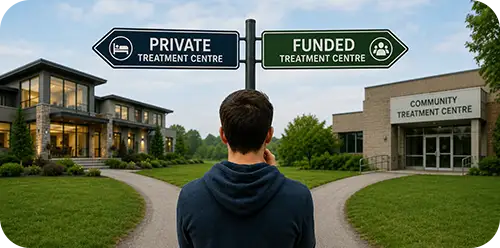
Not everyone is ready for residential addiction treatment, and that does not mean help has to wait. Outpatient addiction treatment and community-based services can provide an important first step toward recovery, allowing people to receive support while continuing to live at home.
In Ontario, Rapid Access Addiction Medicine (RAAM) clinics and other community services can provide addiction assessments, counselling, referrals, and medication-based treatment when appropriate. These services can help people understand their treatment options and determine whether outpatient care, residential treatment, or another form of addiction support is the right next step.

Do you need help for someone you care about in the Greater Toronto Area? Or do you need help?
Free and confidential support is available every day. We can help you determine and take the next step.
ConnexOntario provides free, confidential, 24/7 information about addiction, mental-health and related services throughout Ontario. It can help people identify local government treatment, withdrawal-management and community resources.
Contact information here: 866-531-2600, text CONNEX to 247247, or use its online service.
Toronto Public Health also provides substance-use information, outreach and naloxone education. Current local services and locations can change, so it is advisable to confirm availability before travelling.
✅ Centre for Addiction and Mental Health (CAMH) – College Street
250 College St · (416) 535-8501
Closed · Opens 9 a.m. Tue
✅ Centre for Addiction and Mental Health (CAMH) Emergency Department
1051 Queen St W · (416) 979-6885
Open 24 hours
A suspected overdose is a medical emergency. Do not wait to see whether the person improves.
Signs may include;
If an overdose is suspected:
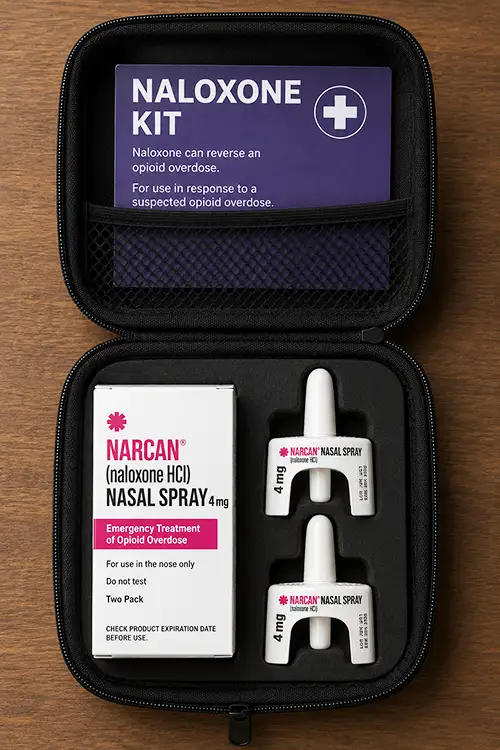
Naloxone can temporarily reverse an opioid overdose, including overdoses involving fentanyl, heroin or oxycodone. Toronto Public Health provides information about obtaining free take-home naloxone kits and training.
There is no single treatment program that is appropriate for everyone. A useful assessment should consider the person’s substance use, withdrawal risks, physical and mental-health needs, previous treatment experiences, family circumstances, financial resources and recovery goals.
DrugAddiction.ca can help any Toronto resident and their families understand the difference between detox, residential rehab, outpatient treatment, addiction counselling and other recovery options. Our goal is to provide information and referrals to appropriate treatment resources so that families can make a more informed decision.
If you are looking for addiction treatment in Toronto, getting accurate information is an important first step. Contact DrugAddiction.ca to discuss available options and determine what type of support may best fit your situation.
Learn more about us here.
If you or someone you love is struggling with addiction, free and confidential support is available every day in the Greater Toronto Area. We can help you determine your next step.
Note: This page is educational and is not a substitute for medical assessment or emergency care. Service availability, eligibility and hours can change; verify details directly with the provider before attending.