

Home / Breaking Free from Drug and Alcohol Addiction: Steps Toward Lasting Recovery
Breaking free from drug or alcohol addiction is rarely a single decision—it is a process of making healthier choices one step at a time. Whether you are struggling yourself or watching someone you love battle substance use, understanding how addiction affects the body and mind can make recovery feel more achievable.
Long-term drug or alcohol use places tremendous stress on the body. As substance use continues, the body’s ability to recover becomes less effective, and important organs such as the liver, brain, heart, and immune system may begin to suffer.
Alcohol and many drugs produce harmful by-products that the body must process and eliminate. When use becomes frequent or excessive, recovery between episodes becomes increasingly difficult. What may once have been a brief hangover or period of fatigue can develop into ongoing exhaustion, poor sleep, reduced immunity, and declining physical health.
The good news is that many of these effects can begin to improve once substance use stops. With appropriate detoxification when necessary, professional treatment, proper nutrition, and time, the body has an incredible ability to heal.
For many people, recovery begins with one important decision: wanting life to be different.
Although quitting completely is the ultimate goal, many individuals discover that expecting immediate perfection can feel overwhelming. If stopping all at once is not realistic or medically appropriate, making small reductions in substance use can be an important first step while preparing for professional treatment.
Reducing use—even by skipping one drink, one dose, or one occasion of using—can help build confidence and increase motivation. For example, someone who drinks socially may alternate alcoholic beverages with non-alcoholic drinks to reduce overall consumption.
Every positive choice reinforces the belief that change is possible.
Important: People who are physically dependent on alcohol, benzodiazepines, or certain other substances should never stop suddenly without medical advice, as withdrawal can be dangerous. A medically supervised detox may be the safest option.
Publicly funded rehab options vary widely across provinces and often come with long wait times. Many Canadians find it difficult to access timely treatment, especially when facing urgent or high-risk situations. While DrugAddiction.ca cannot facilitate placement in public programs, we provide clear, reliable information so you can explore every available option.
Simple changes can make a significant difference:

Take a different route home to avoid familiar bars or drug-related locations.

Replace idle time with healthy activities such as exercising, reading, or volunteering.

Spend more time with supportive friends and family.

Limit contact with people who encourage substance use.

Develop new hobbies that provide purpose and enjoyment.
When cravings become strong, remind yourself why recovery matters. Your reasons may include your children, your partner, your health, your career, or simply your desire to live a better life.
Each healthy decision strengthens your recovery and makes the next positive choice easier.
Recovery becomes much more manageable when you stop trying to do it alone.
Whether you have reduced your substance use or are ready to stop completely, reaching out for support is one of the most important steps you can take. Professional treatment programs, addiction counsellors, recovery coaches, physicians, peer support groups, and trusted family members can all play valuable roles in helping you build lasting sobriety.
Support provides more than encouragement. It offers practical tools for managing cravings, understanding triggers, preventing relapse, and creating healthier coping strategies.
Recovery is not about never struggling again—it is about learning how to respond differently when challenges arise.
Breaking free from drug or alcohol addiction is a journey that requires patience, persistence, and support. There may be setbacks along the way, but every positive decision moves you closer to a healthier future.
No matter how long addiction has been part of your life, recovery is possible. By recognizing the problem, making gradual positive changes, accepting professional help, and surrounding yourself with supportive people, you can begin building a life free from substance dependence.
You do not have to face addiction alone. Help is available, and reaching out today could be the first step toward lasting recovery.
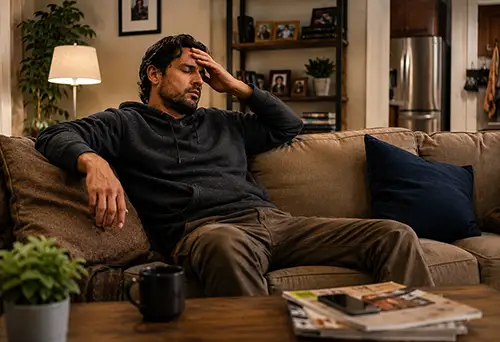
Every person’s recovery journey is different. If you or someone you love is struggling with drug or alcohol addiction, our addiction referral specialists can help you understand your treatment options, answer your questions, and recommend programs that meet your needs.