
Home / Types of Addiction Services in Canada / Medical Detox for Substance Abuse in Canada
At DrugAddiction.ca, we provide educational guidance, backed up by many years of experience in the field, to help families and individuals understand when detox is necessary. We inform families and addicted individuals what to expect, and how it fits into long-term recovery planning.
Medical detox is a clinically supervised process by qualified specialist that allows the body to safely stop the intake of drugs or alcohol while managing withdrawal symptoms. This action is done by withdrawal management specialist in the field.
IT CAN REQUIRE THE FOLLOWING:

24/7 medical monitoring

Physician oversight and nursing care

Medication-assisted withdrawal management

Stabilization planning
Detox addresses physical dependence, not the psychological or behavioural components of addiction. For long-term recovery, further treatment is typically recommended. This may be in-patient or outpatient, it can also require continue support in some cases.
Not all substance use requires medical detox. However, it is strongly recommended when withdrawal may be dangerous or severe. Below are some guidelines that help to determine if a medical detox will be advise for your loved one or self. Often determined by the degree of physical complexities surrounding the person.
Alcohol withdrawal can be life-threatening in some cases and may cause:
While opioid withdrawal is rarely fatal, it can be intensely uncomfortable and destabilizing, increasing relapse risk, etc.
Stopping benzodiazepines abruptly can cause one or more of the following side effects. These need to be monitored by qualified healthcare professionals.
Using multiple substances increases unpredictability during withdrawal.
If there is any history of seizures, heavy daily use, or medical complications, professional assessment is strongly advised. At DrugAddiction.ca we can provide a good thorough assessment that can determine the proper resource required for your loved one.
Although programs vary across Canada, most medical detox programs follow a structured process. This is a general structure that facilities across Canada will provide to clients seeking a detox of a medical nature.
A healthcare professional evaluates:
This determines the appropriate level of care.

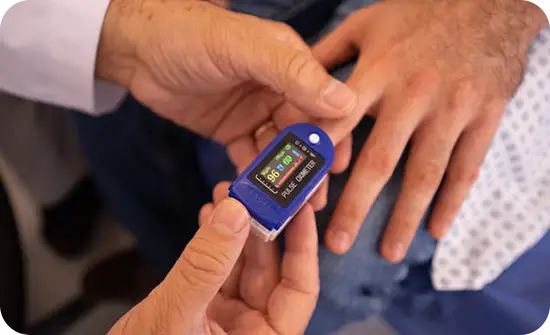
During withdrawal:
In the private sector often the detox phase is followed by the rehabilitation phase. Here the person is normally ready for group and/or one-on-one counselling. In the public sector before discharge, a next-step plan is developed. This may include one or more of the options below.

Detox without follow-up treatment significantly increases relapse risk. For this reason, our certified referral counsellor works diligently to get the person to accept both actions.
Detox and treatment go hand in hand. Both aspects of addiction treatment increase the success towards stable sobriety.
Length of medical detox depends on the substance, duration of use, and overall health. From our many years of helping others and working with qualified treatment centers the overall timelines could be stated as this.
Each case is unique. Medical supervision allows length adjustments based on patient response.
If you are questioning whether or not medical detox is required a confidential consultation can help clarify the situation.
Withdrawal can be uncomfortable and at times painful to some, normally this is kept to a minimum. But it is safe to expect one or more of the following side effect to show up at some point during the process.
Medical detox significantly reduces discomfort and medical risk compared to unsupervised withdrawal. Attempting to detox alone — particularly from alcohol or benzodiazepines — can be dangerous and is not advised.
A common misunderstanding is that detox equals recovery. This is not so; though it does bring one into a certain level of clarity, it is a temporary condition.
Detox is intended to achieve these conditions:
Addiction treatment is intended to achieve the following conditions:
Detox is a beginning — not a cure.
In Canada, our counsellors have dealt with certain individuals who have made attempts to stop without medical supervision. These same individuals have voiced one or more of the barriers listed below.
A professional assessment helps determine the safest approach. This is why at Drugaddiction.ca advises to follow the safest course of action.
You or your loved one may require detox when there are withdrawal symptoms when not using. There is daily or heavy alcohol use, there is long-term opioid or benzodiazepine use. Or if previous attempts to stop resulted in severe symptoms. Certainly if there is a history of seizures. If you are still uncertain you need detox or medical detox, you should seek a medical assessment.
Public detox services may be covered under provincial healthcare plans. However, private programs that offer detox vary in price by facility.
If physical dependence is present, detox may be medically necessary before therapy can begin safely. In some light cases and for certain drugs, detox can be skipped.
Detox is not a standalone; a transition plan should be made that includes structured addiction treatment or ongoing recovery support.
DrugAddiction.ca provides educational information informed by field experience and responsible practice. We do not provide medical diagnosis or direct clinical care. Individuals should consult licensed healthcare professionals for medical decisions.
Addiction treatment decisions should always involve qualified medical providers.
If you believe medical detox or detox may be necessary:
Medical detox can be a critical first step toward rebuilding health, relationships, and stability. If you are unsure whether detox is needed, seeking professional guidance is a responsible and potentially life-saving decision.
If you or someone you love is struggling with addiction, free and confidential support is available every day. We can help you determine and take the next step.