

Home / Helping a Loved One with Addiction in Canada / The First Steps When Helping Someone With Addiction
Supporting a loved one who is struggling with substance use can be emotionally exhausting. Families often experience stress, confusion, fear, anger, financial strain, and uncertainty about what to do next. In many Canadian households, relatives try repeatedly to help, only to feel discouraged when the person continues using drugs or alcohol despite those efforts.
Addiction can be a complex health condition that affects behaviour, decision-making, emotional regulation, and daily functioning. Substance use disorders can involve alcohol, opioids, cocaine, or any other mind-altering substance, or multiple substances at once. Over time, substance use may interfere with employment, parenting, finances, relationships, housing stability, and physical or mental health.
For families, one of the most difficult challenges is learning the difference between helping and unintentionally enabling harmful behaviour. While every situation is unique, there are practical first steps that can improve communication, encourage treatment conversations, and protect the well-being of everyone involved.
Some family members become caught in cycles of crisis management. A loved one may repeatedly ask for money, help with rent, transportation, food, or assistance dealing with legal or employment problems. These situations are often urgent and emotionally charged.
Parents, spouses, siblings, or friends may step in because they want to prevent homelessness, hunger, job loss, or family breakdown.
While these actions usually come from concern and compassion, repeatedly shielding someone from the consequences of substance use can sometimes delay the person’s recognition that professional help is needed.
Examples of enabling behaviours may include:
Repeatedly paying unpaid bills caused by substance use
Giving cash that may be used to purchase drugs or alcohol
Calling employers to excuse missed work
Making excuses for harmful behaviour
Ignoring unsafe or manipulative conduct
Constantly rescuing the person from preventable crises
Setting healthy boundaries does not mean abandoning the person. It means supporting recovery without supporting ongoing substance use.
People living with addiction issues report feeling judged, dismissed, or misunderstood. Conversations can quickly become arguments, especially when family members focus only on blame, criticism, or shame.
Constructive communication starts with listening. This does not mean agreeing with harmful behaviour or accepting manipulation. It means allowing the person to speak honestly while remaining calm, respectful, and focused on solutions.
When speaking with someone struggling with addiction, try to choose a time when they are sober and relatively calm. Conversations during intoxication, withdrawal, or heightened emotional distress are less likely to be productive.
Instead of saying:
Try saying:
These approaches reduce defensiveness and make it easier to have honest discussions.
Educating yourself can help reduce confusion and improve decision-making. Learn about:
Reliable information can help families respond more effectively instead of reacting emotionally during crises.
Boundaries help protect both the family and the person struggling with addiction.
Examples may include:
Boundaries should be communicated calmly and consistently.
Example:
“I care about you and want to support your recovery, but I cannot continue giving money when substances are involved.” Or any similar communication.
Families are rarely able to resolve severe addiction alone.
Professional support may include:
You do not need to wait until the situation becomes catastrophic before seeking help.
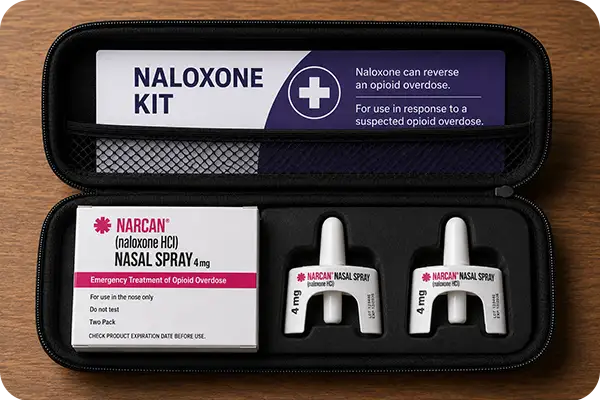
If overdose risk, suicidal thoughts, violence, psychosis, or severe impairment are present, immediate medical or emergency support may be necessary.
In Canada, harm reduction measures such as naloxone kits and crisis lines may help reduce immediate risks while treatment options are explored.
Families often act out of fear, frustration, or desperation. However, certain responses can unintentionally worsen the situation.

Avoid:
Recovery is ultimately the individual’s responsibility, even though family support can play an important role.

Professional assistance should be considered if:
Family members may also benefit from speaking with addiction counsellors, therapists, physicians, or support groups designed specifically for relatives of people with substance use disorders.
Addiction recovery is rarely a straight path. Some people seek help quickly, while others may resist treatment for months or years. Relapse can occur, and progress is often gradual.
Families should remember that meaningful change usually begins with honest communication, consistent boundaries, and access to appropriate care.
Supporting someone with addiction does not mean sacrificing your own well-being. Maintaining your own physical and emotional health is an important part of effective help.

Canada offers a range of addiction and mental health services through provincial healthcare systems, community organizations, private treatment centres, and crisis support programs. Availability will vary by province, and wait time may differ depending on the level of care required.
If you are struggling to help a loved one with addiction, speaking with a professional addiction counsellor or healthcare provider can guide you to understand treatment options, crisis planning, and next steps for your situation.
If you or someone you love is struggling with addiction, free and confidential support is available every day. We can help you determine and take the next step.