
What does DrugAddiction.ca offer callers?

  • At Drugaddiction.ca, one can expect confidential and professional guidance to suitable treatment resources across Canada. Our experienced referral counsellor will help find the detox or rehab that is right for you. There is no charge for this referral & consultation service.
  • Family guidance. Our referral counsellor provides structured, practical guidance tailored to your situation. We help families navigate difficult conversations, set healthy boundaries, and avoid enabling behaviours that may unintentionally prolong addiction, if any exist.
  • A paid service called “Online Addiction Recovery Coaching” is available to clients with mild substance use issues. You will need to be assessed to determine eligibility.
  • Professional Substance Use Assessment is appropriate when clarity, documentation, or professional guidance is required. The goal is not diagnosis but informed guidance and recommendations. Substance abuse assessments may be helpful for individuals, workplace or return-to-work requirements, and certain legal or administrative situations where an evaluation is requested.

Is Drugaddiction.ca a detox or treatment facility?

  • No, drugaddiction.ca is not a detox or treatment facility. Our staff provides referral and consultation services to help individuals and families navigate substance use disorders with clarity, professionalism, and practical direction.
 Person behind a chainlink fence

After a
Treatment

Recognizing Substance Use

 Person behind a chainlink fence

What resources can I be guided towards when I contact this service?

When you reach out to our referral counsellors, you can be given a variety of resources. Much of this is dependent on the initial assessment. Here are some of the available resource options.


 A person in sunset.

Safeguarding
Sobriety

Addiction Challenges

 Father enbracing two children.

How much does Private Treatment cost in Canada?

  • The cost of Private Treatment will vary quite a bit. On average, the range will be on the lower end at $6,500 and on the upper end at $25K to $30K+. The wide gap is due to whether medical assistance is part of the treatment and whether the person wishes shared or private accommodations with a private washroom, amenities, etc.
  • Many private treatments across the country for a 30-day program will average between $7500 and $15000. The majority will also include the detox step of the treatment in their overall cost. These figures can vary depending on the person’s condition after the initial assessment.

How do I know the type of treatment I will need?

  • The most common way to determine the appropriate level of care is through a substance use assessment. Based on the results, a counsellor can recommend the services and treatment setting that best meet the individual’s needs.
  • Information about the type of drug used, as well as the amount, frequency, and patterns of alcohol consumption, is essential in making an accurate assessment. Equally important is understanding the individual’s current emotional and psychological state, along with any ongoing life challenges, as these factors help determine the most appropriate course of action.
  • In some cases, the individual may need to undergo a medically supervised detox with a certified healthcare provider before any further treatment decisions can be made.
  • Eligibility for online recovery counselling or coaching can be an option, depending on various factors related to the individual’s substance use and overall situation.
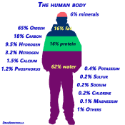
 A body and element composition.

Five Key Reasons
for Relapse

Challenges
of Rehab

 A young man sitting on a park bench.

Do treatment facilities in Canada accept insurance coverage?

  • There are several facilities that accept insurance coverage for substance use treatment. Though normally the person will need to verify with their insurance provider prior to filing for coverage.
  • Other private addiction recovery programs will not accept insurance, but this does not mean you cannot file for coverage. Your insurance provider may reimburse the cost, but will require documentation. Normally, this can be provided by the center’s administrative staff.

How soon can treatment begin?

  • In the private sector, once the initial call is completed and all relevant information has been gathered, the referral counsellor contacts the intake counsellor at the selected facility and asks them to follow up with the caller. In many cases, admission can occur within 24 to 48 hours of the initial contact.
  • In some cases, the individual may need medical detox before entering treatment. It’s important to understand that detox is a form of withdrawal management. While it is part of the overall recovery process, it is not the same as rehabilitation. In many cases, this step can be completed within 5 to 7 days.
  • In the public sector, this timespan can increase significantly. The first action is to get an interview appointment for sign-up. Followed by a second interview for SUD (Substance Use Disorder) assessment, normally by a certified addictions counsellor. The person is then put on a list for detox, followed by another for rehab. In certain areas, the process can take up to 3 months, and in others, as little as a few weeks.

How long can I expect treatment to take?

  • The length of treatment varies from person to person. On average, programs may last around 45 days, although most private treatment centres offer a range of options, including 30-, 45-, 60-, and 90-day programs. These programs typically follow a structured schedule with planned activities and therapeutic topics throughout the stay.
  • Some programs are offered on an “open-ended” basis, meaning the cost covers the full course of treatment without a fixed timeframe. While these options may be more expensive, they can be a worthwhile investment depending on the individual’s needs and personal history.
  • The public sector will usually set a 28-day program that covers the exact steps to be done by the person on the program. The detox step is not included in many facilities; it is usually done at another facility.

What kind of support is available for families?

  • Family support is one of the most important factors in addiction recovery. The type and level of involvement can vary significantly, depending on whether your loved one is receiving care in a private rehabilitation program or a publicly funded treatment service.
  • Both systems recognize the importance of family involvement, but they differ in how services are delivered. Factors such as accessibility, wait times, and the level of personalized care can vary from one centre to another. It is best to confirm directly with the treatment facility you are considering to understand the type of family support they offer.

What ongoing support is provided after treatment? (Aftercare)

Ongoing support after treatment—often called aftercare—is a key part of maintaining long-term recovery. The type and level of support can vary by program.

MOST SERVICES INCLUDE A COMBINATION OF THE FOLLOWING:

    • Continuing Care Planning
    • Outpatient Counselling or Therapy
    • Support Groups
    • Relapse Prevention Support
    • Alumni Programs
    • Family Support Services
    • Sober Living or Transitional Housing.

The availability and intensity of these supports will vary by treatment provider, so it’s important to ask specific questions about aftercare when choosing a program.

For more information or questions not mentioned above, please contact our referral counsellor today.

Articles

 Members of ARC Services.
More About Us Here

Testimonials

Abdul
Father
Very kind and informative. It encourages me to continue supporting a beloved family member who has been through this problem.
Cyn C.
Mother
Very very helpful in a time of desperation. I highly recommend using their service. They have the knowledge and experience. When one place did not work out they very quickly recommended another which worked out perfectly.
Lisa B
Mother
Well, I'm not the best with words. I will do my best. My agent, Susan is the best person I've ever dealt with- she's been so professional, and patient and kind- and no one will ever understand how much she's helped me so far. My journey is not over yet, however the guidance I'm receiving is helping me so very much and I cannot thank you enough. Keep up the great work and thank you for being there for myself and my loved one- as I get the info I give to my loved one.
Picture of Marc Bernard

Marc Bernard

Author,
Addiction Field Specialist,
Referral & Consultation Counsellor, Ethics in Practice – NAADAC
Reviewed by Susan Chubbs Certified Drug and Alcohol Treatment Specialist

When You’re Ready, Help Is Here

If you or someone you care about is struggling, you don’t need to navigate this alone. Free, confidential support is available every day.

Request a Callback
""

Newsletter Sign up

Get news and helpful articles